
Build a healthier, more functional landscape without losing control of your property. We design and create wildlife habitat zones in Sisters that support native species while keeping fuels and tree risk in check.
Sisters sits in a unique high-desert forest where ponderosa pine, juniper, and open understory all play a role in how wildlife moves and lives. Habitat work here needs to match those conditions.
We create habitat zones that fit Central Oregon ecosystems and the realities of living in the wildland urban interface.
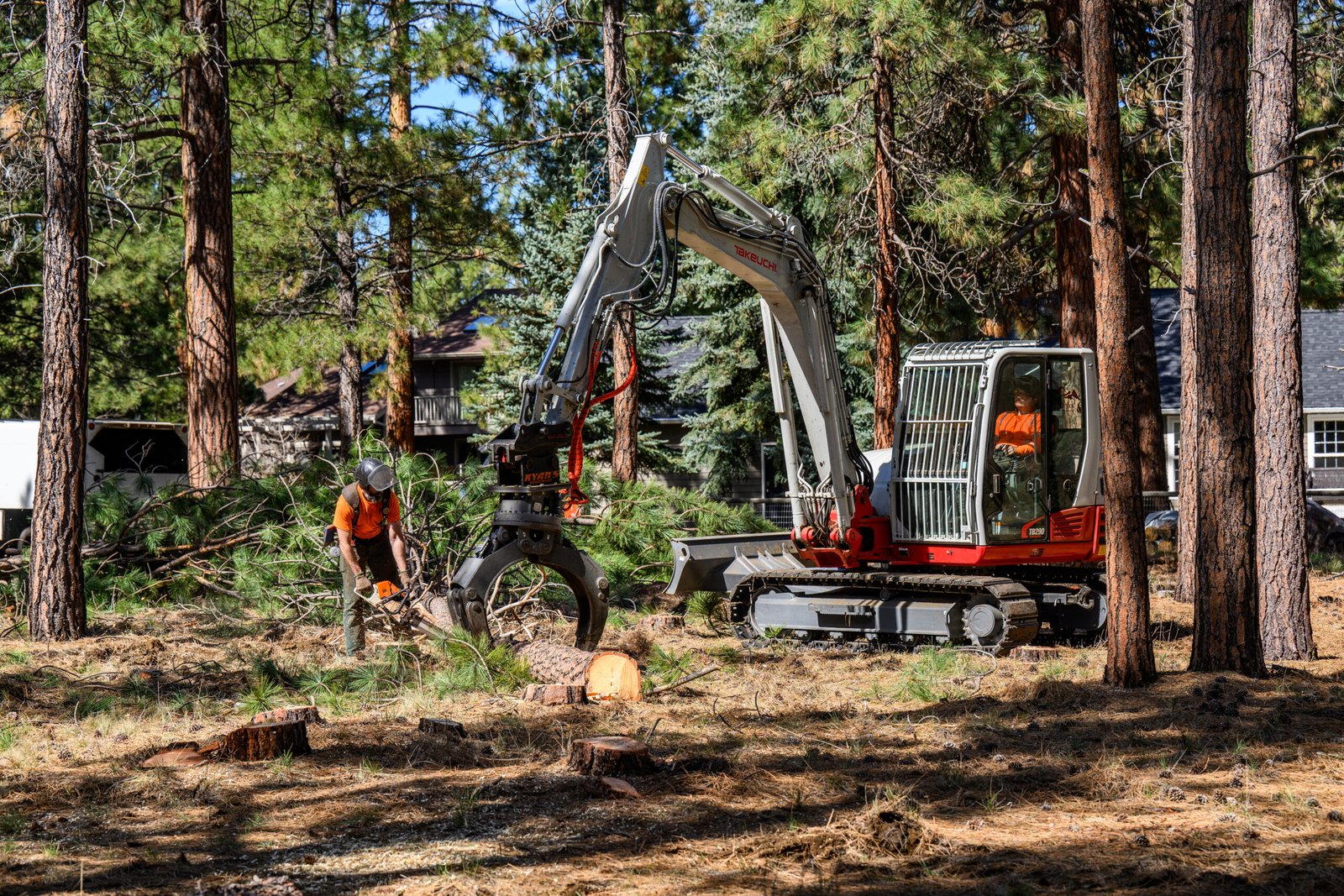
Thoughtful thinning, structure, and ground cover give birds, deer, and small mammals places to feed, nest, and travel.
Reducing overcrowding and managing species balance helps trees compete less and stay more resilient.
Habitat work does not need to conflict with defensible space. Done right, it complements it by managing ladder fuels and surface fuels.
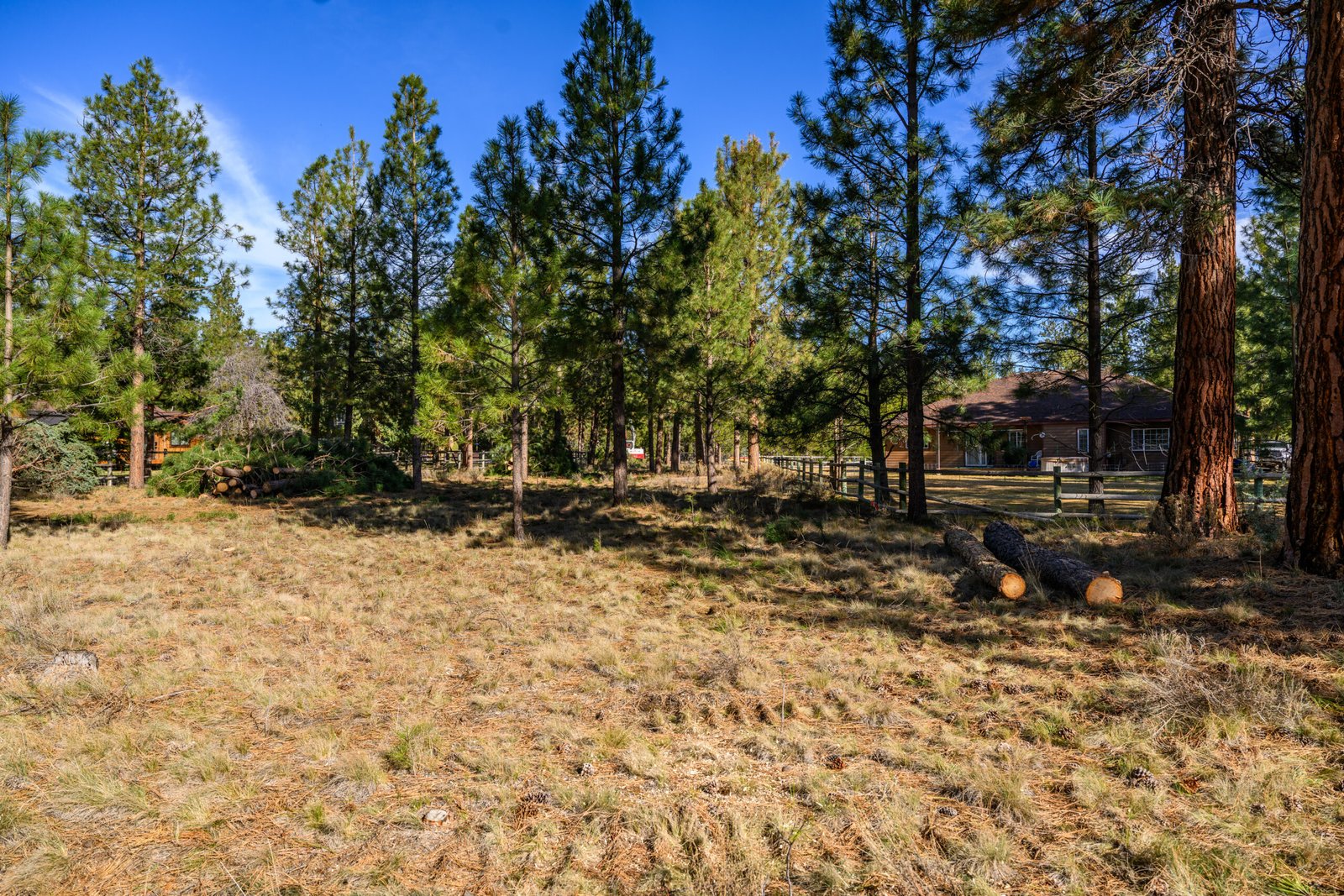
We start with a site walk to understand terrain, tree density, species mix, and how wildlife already uses your property.
We remove or retain trees based on spacing, health, and habitat value. This includes creating varied canopy layers and openings.
Logs, brush piles, and organic debris are placed with purpose to create shelter while avoiding fuel buildup near structures.
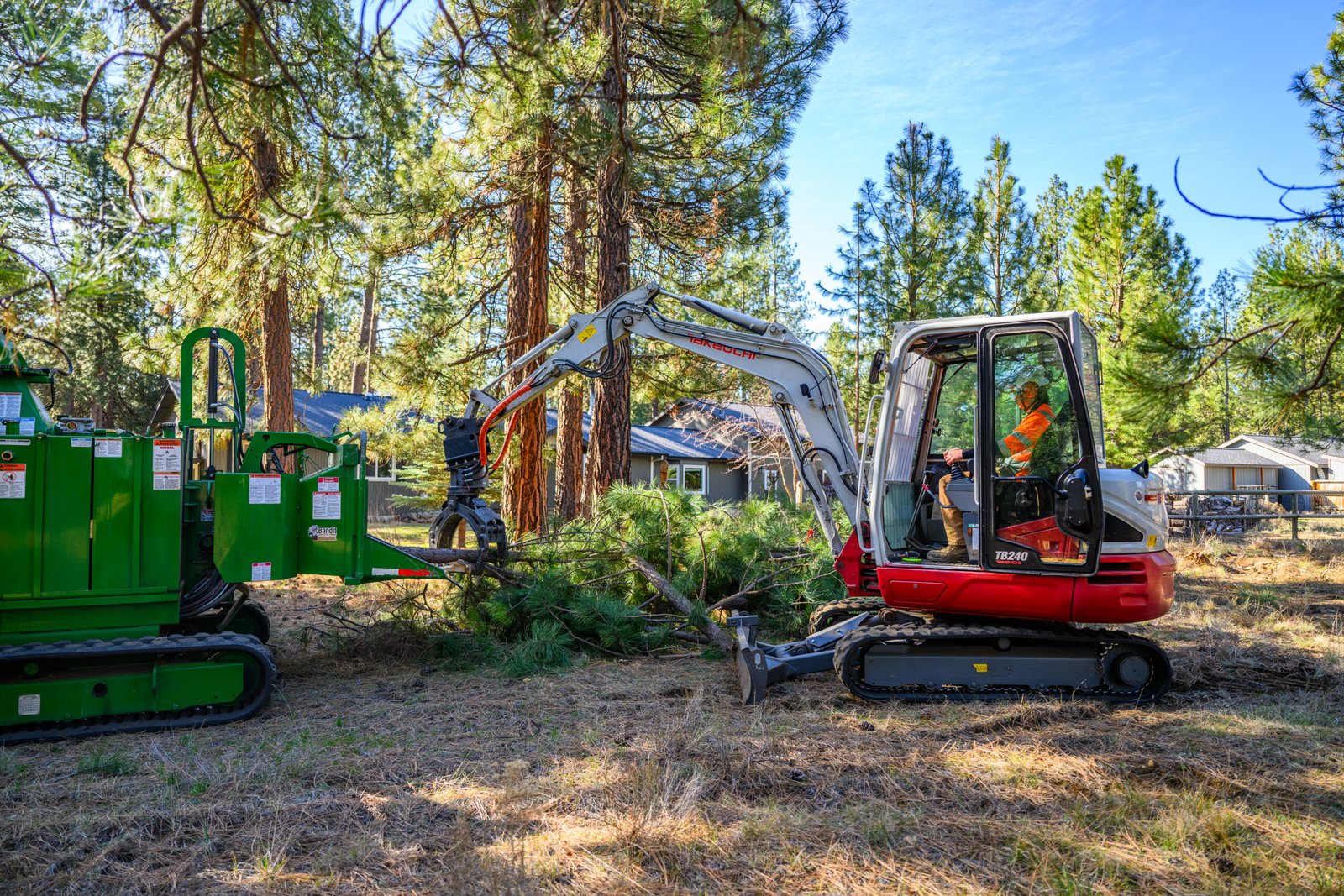
Brush and slash are processed and reused to support soil moisture and reduce erosion where appropriate.
Schedule a walkthrough of your Sisters property and get a clear plan for building habitat zones that make sense for your land.
We bring both forestry and arborist experience to the same project. That matters when habitat goals and safety need to work together.
Our work is guided by both ecosystem health and practical land use, not guesswork.

We walk the property with you and identify goals, constraints, and opportunities.
We outline habitat zones, treatment areas, and how the work will be staged.
Selective thinning, structure placement, and fuels work are carried out safely and efficiently.
Material is chipped, redistributed, or removed depending on the plan.
We can return for maintenance to keep habitat structure and fuels in balance over time.
This step-by-step approach reflects how we handle fuels reduction and land management projects across Central Oregon.
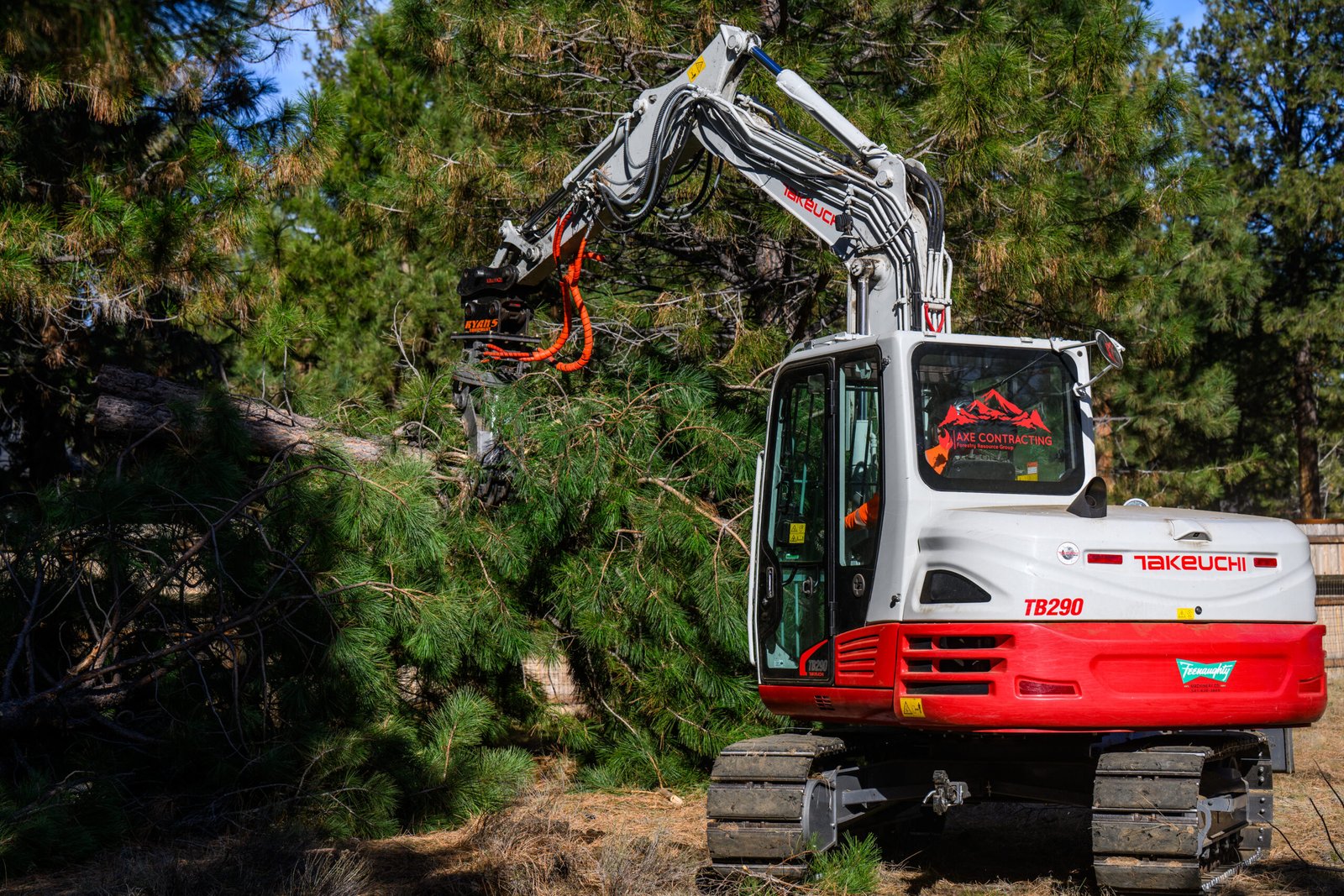
It is a planned area where vegetation, trees, and ground cover are managed to support wildlife while still maintaining control over fuels and access.
Not when planned correctly. We design zones with spacing, fuel breaks, and placement that align with defensible space principles.
Even small acreages can benefit. We scale the plan based on your property size, terrain, and goals.
Both. Some trees are removed to improve spacing and health, while others are retained for structure and habitat value.
Most properties benefit from periodic touch-ups every few years to manage regrowth and maintain structure.