
Trees in Sisters face wind, snow load, drought stress, and wildfire pressure. Not every concern means removal, but some trees do need action. We provide certified tree risk assessment so you can make clear, informed decisions about safety, property protection, and long-term tree health.
Our assessments are led by an ISA Certified Arborist with TRAQ certification. That means your evaluation follows a standardized method used for permits, insurance documentation, and defensible space planning.
1. Identify real hazards, not guesswork
We separate normal tree behavior from structural risk. You get a clear explanation of what matters and what does not.
2. Protect structures and access areas
We look at targets like homes, driveways, powerlines, and high-use zones to prioritize risk.
3. Support permits and insurance needs
A documented TRAQ assessment can help when working with local requirements or insurance questions.
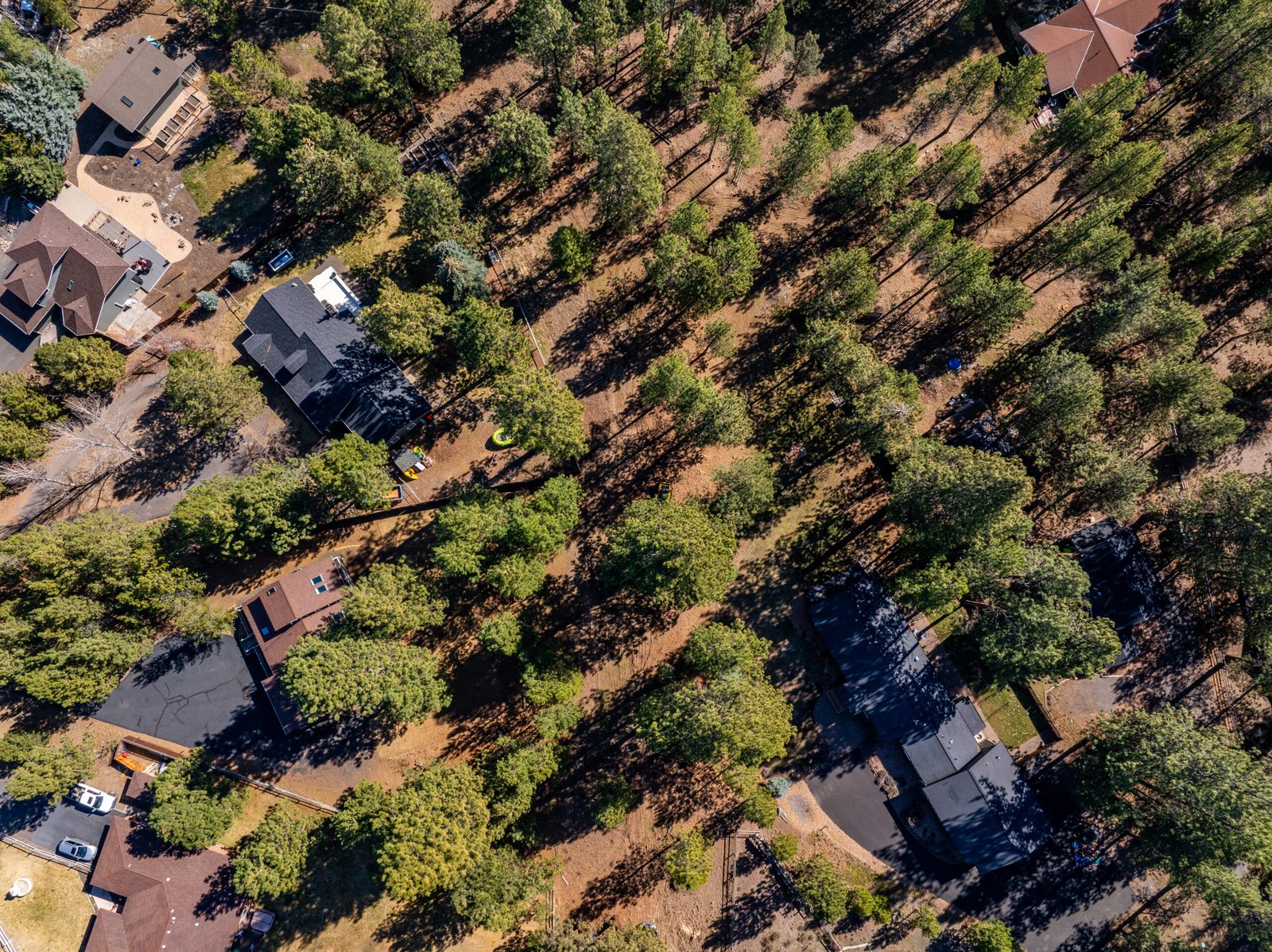
Tree Condition Evaluation
We inspect structure, root stability, canopy health, and visible defects. If needed, we explain terms like decay pockets or included bark in plain language.
Target Analysis
We assess what could be impacted if a tree or limb fails. This helps prioritize which trees need attention first.
Risk Rating (TRAQ Method)
Each tree is evaluated using a standardized risk rating system. This keeps decisions consistent and defensible.
Clear Recommendations
You get practical next steps. That might include pruning, monitoring, cabling, or removal. We explain why each option makes sense.
Written Documentation (if needed)
We can provide a report for permits, property records, or project planning.

Your assessment is completed by a qualified professional using industry-standard methods.
We look at the whole site, not just individual trees. That matters in WUI properties where tree risk and fuels reduction overlap.
We understand how local conditions affect trees, from snow load to wildfire exposure.
We focus on practical decisions that reduce risk without unnecessary removal.
Phone: (541) 409-5404
Service Area: Redmond and surrounding Central Oregon communities
We’ll walk the property, explain what we’re seeing in plain language, and outline clear next steps.
Initial contact
Share the location, the tree(s) you’re concerned about, and what prompted the request.
On-site assessment
We inspect the tree and surrounding targets, and we discuss your concerns on site.
Findings and options
We explain what we found and what actions make sense, based on risk.
Report delivery
You receive a written TRAQ assessment with risk ratings and recommendations.
Next steps (if needed)
If pruning, mitigation, or removal is recommended, we can provide a separate scope of work.
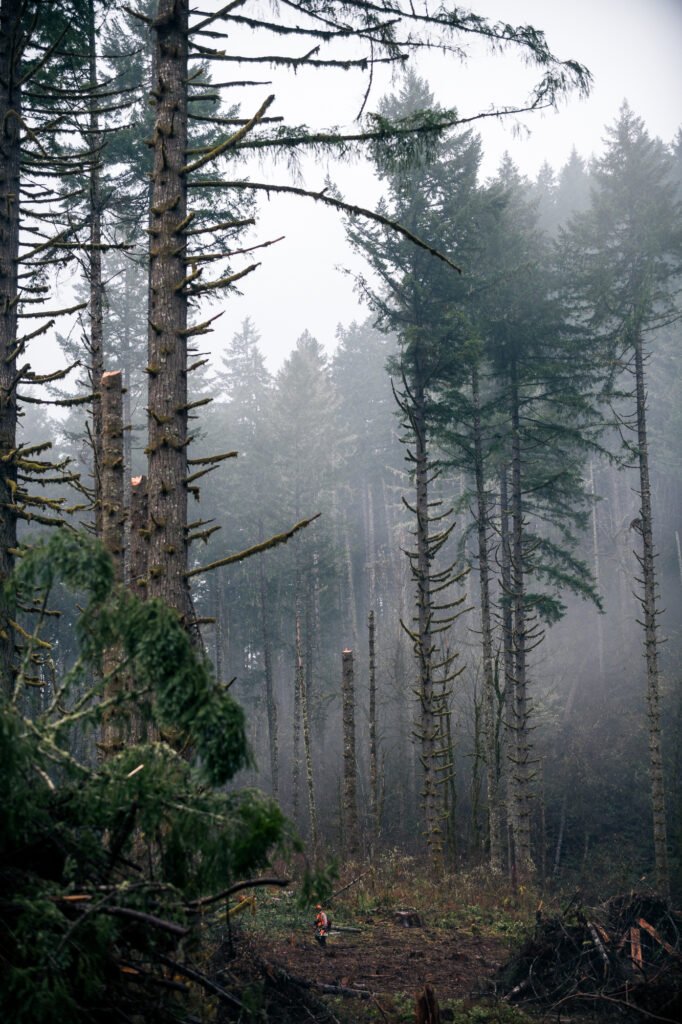
Warning signs include dead limbs, leaning, root damage, or visible decay. Some issues are not obvious, which is why a formal assessment helps.
In some cases, yes. A documented assessment can support permit applications or justify removal decisions.
TRAQ stands for Tree Risk Assessment Qualification. It is a standardized method used by certified arborists to evaluate tree risk in a consistent way.
No. Many risks can be reduced with pruning or monitoring. Removal is only recommended when it is the safest option.
Yes. Tree risk assessment often overlaps with defensible space work, especially in WUI areas around Sisters.
If you have a tree you are unsure about, we can take a look and give you a clear answer.
Schedule your site walk today.