
Wildfire fuels reduction is the process of identifying and removing excess vegetation that can contribute to wildfire spread and intensity. Our team combines forestry experience with certified arborist expertise to create treatment plans that improve defensible space, reduce ladder fuels, and support long-term forest health.
From acreage properties near Tumalo and Skyliners Road to homes throughout southeast Bend and the surrounding Deschutes County area, we help property owners make informed decisions about wildfire preparedness.
Strategic thinning and vegetation management can help decrease the amount of combustible material surrounding homes, shops, barns, and other improvements.
Overcrowded trees compete for sunlight, water, and nutrients. Fuels reduction treatments can improve growing conditions and help forests remain more resilient.
Creating defensible space helps improve property access, enhances emergency response options, and aligns with recommendations commonly used throughout Central Oregon’s wildland-urban interface communities.
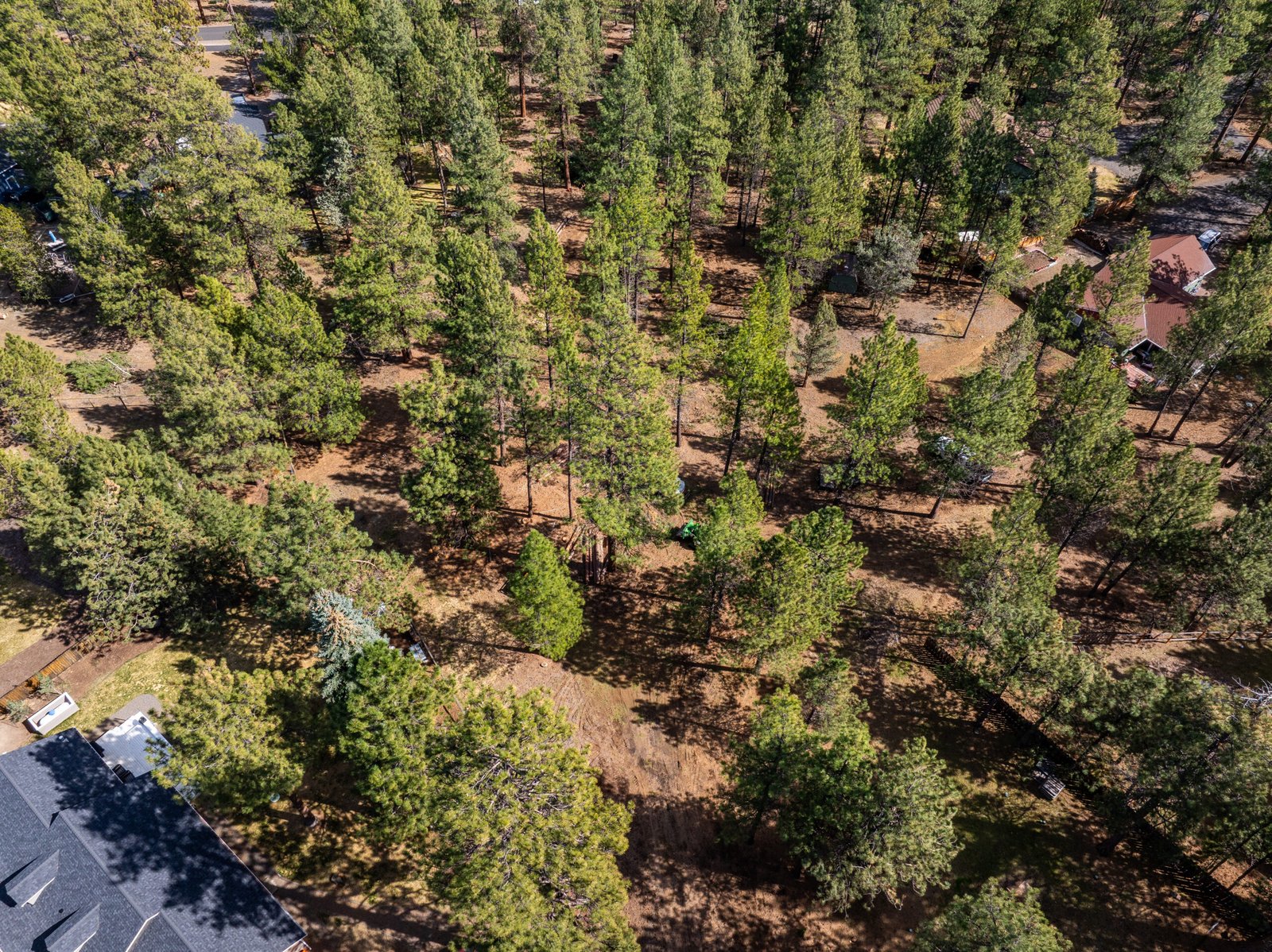
We perform a detailed site walk to evaluate vegetation density, ladder fuels, access concerns, terrain, and property objectives before work begins.
We remove smaller trees, brush, and vegetation that can carry fire from the ground into tree canopies.
Downed branches, woody debris, and excess ground fuels are identified and treated to reduce fire intensity.
Trees are selectively removed to improve spacing, forest health, and overall stand structure.
Vegetation can be processed on-site using specialized equipment to reduce hauling requirements and leave a cleaner property.
We help create treatment zones around structures to improve property preparedness while maintaining the character of the landscape.
Serving Bend, Oregon and surrounding Central Oregon communities.
Schedule a site walk today to discuss your wildfire fuels reduction project and receive a customized treatment plan.
Phone: (541) 409-5404
Our work is led by ISA Certified Arborist Will Moore, who holds Tree Risk Assessment Qualification (TRAQ) credentials and extensive forestry experience.
Many contractors focus on either forestry or tree care. We bring both disciplines together to provide practical recommendations based on safety, forest health, and property objectives.
Our equipment allows us to perform efficient treatments while minimizing unnecessary site disturbance whenever possible.
We understand the vegetation types, terrain, and wildfire concerns common throughout Bend, Tumalo, Sunriver, Sisters, and surrounding communities.
Every project begins with planning, hazard identification, and a clear scope of work designed to protect people, structures, and natural resources.
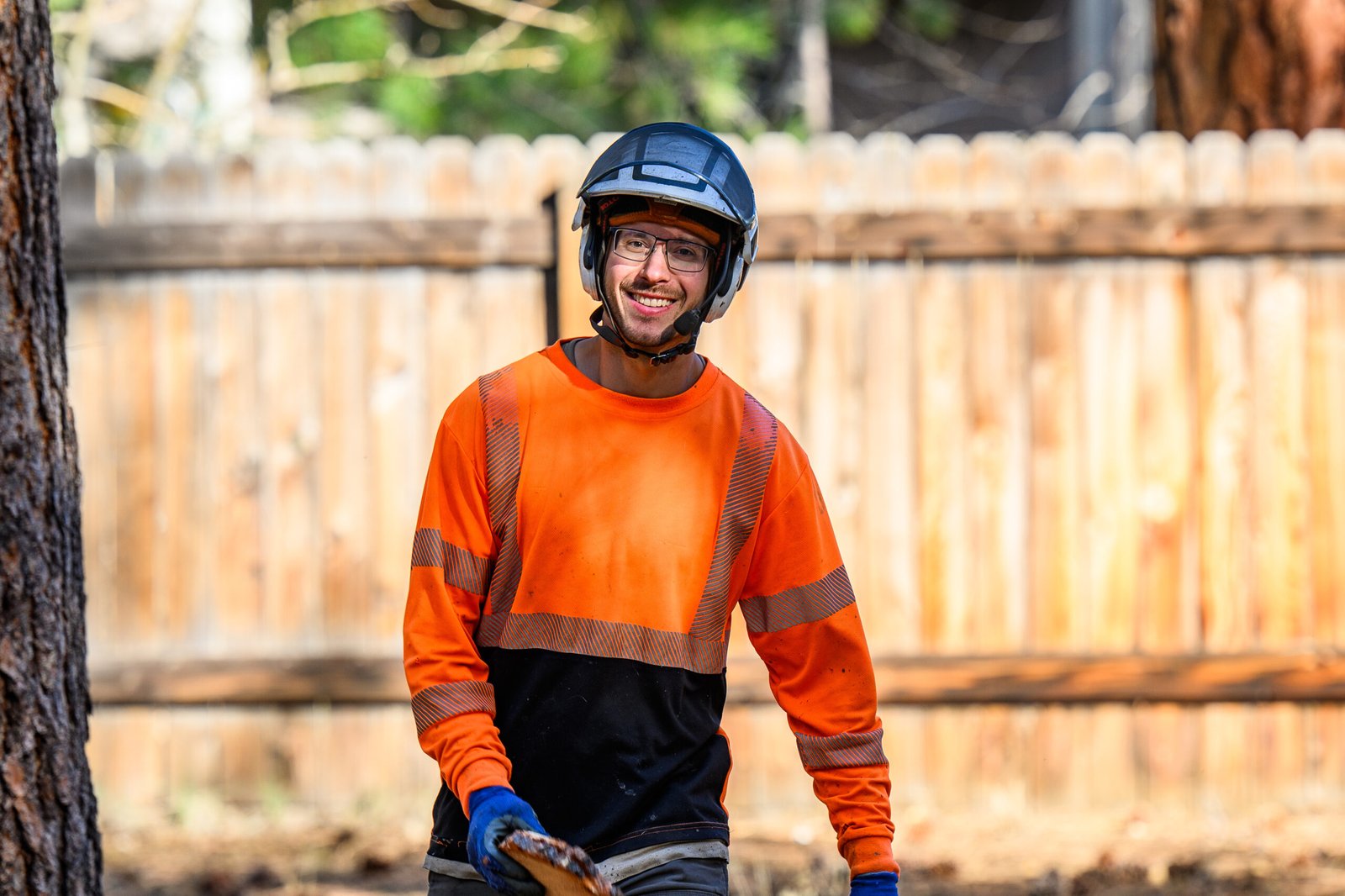
Contact us to discuss your property, goals, and wildfire concerns.
We perform a property walkthrough to assess fuel conditions, tree density, access routes, and treatment priorities.
You’ll receive recommendations tailored to your property rather than a one-size-fits-all approach.
Our crew completes the agreed-upon thinning, fuel removal, chipping, and vegetation management work.
Debris is processed, removed, or distributed according to the project plan.
We provide guidance for maintaining treatment areas and preserving the benefits of the work over time.
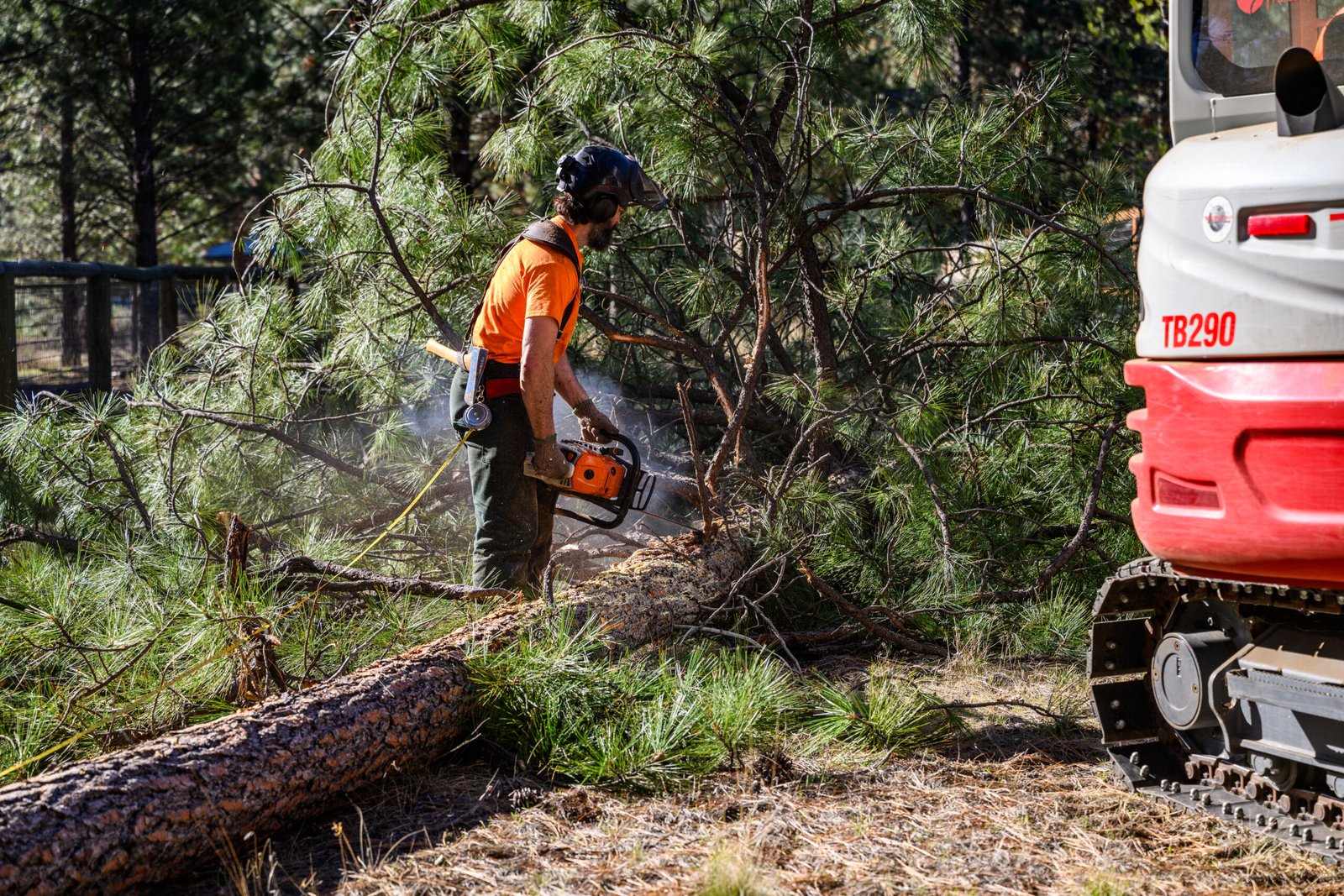
Project costs vary based on acreage, vegetation density, terrain, access, and treatment objectives. We provide site-specific estimates after evaluating the property.
Ladder fuels are smaller trees, brush, and vegetation that can allow fire to move from the ground into the tree canopy. Reducing ladder fuels is a common component of wildfire mitigation work.
Defensible space and fuels reduction often work together. While defensible space focuses on areas surrounding structures, fuels reduction can address broader vegetation concerns throughout the property.
No. The goal is typically selective treatment rather than widespread removal. We evaluate tree condition, spacing, species, and property objectives before recommending removals.
Maintenance schedules vary depending on vegetation growth, property conditions, and surrounding land use. Many properties benefit from periodic follow-up treatments to maintain desired results.