
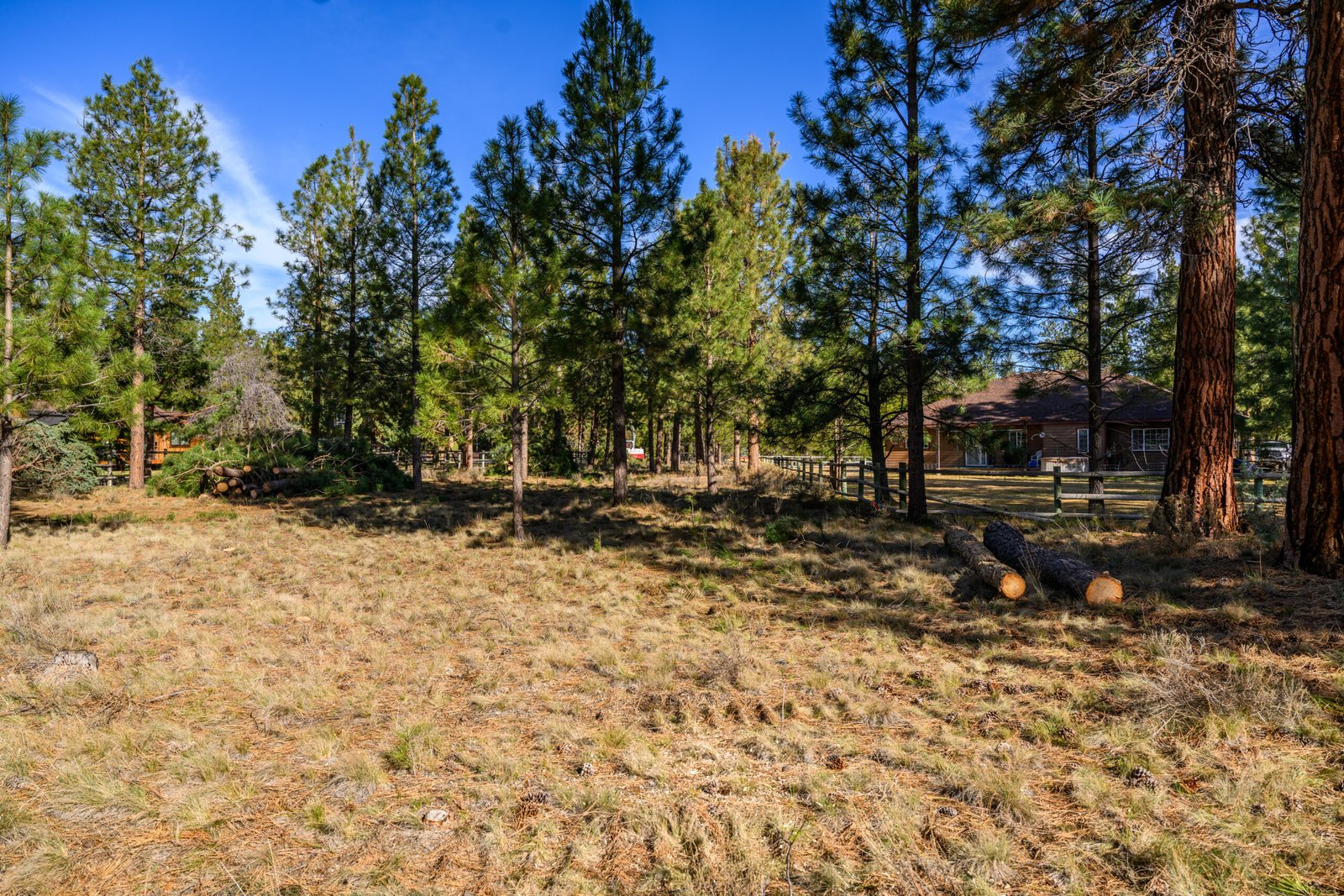
A wildlife habitat zone starts with the conditions already on your land. Existing trees, vegetation, water, and the way you use the property help determine where food, shelter, and nesting opportunities can fit. Axe Contracting provides wildlife habitat zone creation in Sunriver, Oregon with a site assessment and a plan shaped around your goals.
You may want to support birds and pollinators, improve a portion of wooded acreage, or make a garden more useful to local wildlife. The consultation explores what is practical for the available space and how habitat work can fit alongside access, maintenance, and other property needs.

Begin with the vegetation and water conditions at your property. A site assessment helps identify features that can support habitat and areas where changes may be useful.
Habitat planning considers several needs together. Plant selection, cover, and suitable water features can help create a more useful space than an isolated feature alone.
A habitat zone changes as plants establish and seasons pass. Maintenance guidance helps you understand what the space may need after the initial work.

Review existing vegetation, soil, water sources, and property use before deciding where habitat improvements fit.
Discuss the wildlife you hope to support and how food, water, and shelter can work together in the available space.
Consider trees, shrubs, and other native vegetation suited to the site and habitat goals.
Evaluate whether a suitable water feature belongs in the plan, including its placement and ongoing care.
Consider sheltered places where wildlife can rest, hide, or nest while accounting for the way you use the property.
Discuss care that supports the habitat as it develops and helps you plan future upkeep.
Schedule a site walk to discuss wildlife habitat zone creation at your Sunriver property. Share the area you want to improve, the wildlife you hope to support, and any access or maintenance concerns.
Phone: (541) 409-5404
Service area: Sunriver and surrounding Central Oregon communities
Contact Axe Contracting to discuss the site and the next step.
The site assessment considers the vegetation, water, and existing ecosystem before shaping a habitat plan. Your goals and the space available guide the discussion.
Plant choices, shelter, water features, and maintenance are considered together. Ask how the proposed work can fit into the care you are prepared to provide.
Review the planned improvements and estimate before work begins. A clear scope helps distinguish the initial project from any later maintenance or additional work.
Tell us where the property is located, what space you want to improve, and which wildlife or habitat features interest you.
We review existing vegetation, soil and water conditions, access, and how the area is used. These observations help establish what is practical.
Discuss proposed plantings, shelter, water features where suitable, and the project estimate. Ask about preparation and maintenance before deciding to proceed.
The work follows the approved scope. Review the completed area and discuss ongoing care as the habitat develops.

See forestry and arborist services in Sunriver, read the wildlife habitat zone creation overview, or explore all Axe Contracting services.
Posted on Google
 Jacqualine19 November 2026
Trustindex verifies that the original source of the review is Google.
Professional business, high risk job we thought - 2 huge pine trees right next to our house had to be removed.. Top equipment and crew handled this job efficiently. We would definitely recommend them.+0Posted on Google Ginny10 November 2026Will and his team have done a great job for us each time they’ve been here. Will is very professional, honest and knowledgeable. They always do a great clean up job too. We will continue using them for any future jobsPosted on Google
 Mike Proctor27 October 2026Would highly recommend. Very professional, friendly and the have all the equipment and people to do the job we needed done.Posted on Google
 Arianne Burnham17 October 2026We had Axe Contracting cut 21 total trees at Black Butte. Two large ponderosas, 4 mid size and then smaller ones and juniper bushes for fire management suggested by the Ranch. Communication was excellent. The team was courteous and so professional. I was so impressed with their safety and efficiency. They are not a ragtag team, but clearly full time employees who respect each other and enjoy working together. They also tidied up our lot so you couldn't tell they had been there or done so much work. I was so impressed! Their price was also very good. I will definitely use them again.Posted on Google
 Kris Johnson8 October 2026These guys did a great job cutting down a elm tree for me. Will was very responsive and helpful thru the whole process. When the job was done they picked everything up if it wasn't for a small stump you would never know it was there. Thanks guys!!!Posted on Google
 Heather Holt6 October 2026Great service and communication. Will answered all our questions and concerns. They were on time and finished on time as wellPosted on Google
 Brenda C.5 October 2026I don't know if I can adequately express how kind, good, professional, and ethical Will and his team are. From our initial meeting 4-ish years ago through our latest interactions, Will has offered help, advice, and countless hours of planning and support in an effort to keep our 70+ acre property protected from wildfire and our forest healthy. We have used his services to limb trees, remove trees, and clear brush while conserving wildlife habitat in areas susceptible to erosion and invasive weeds and Will and his team have delivered every time. We could not recommend Axe any more highly.Posted on Google
 Brittany Jensen29 September 2026These guys do great work! They removed two trees near my house and left the property very clean. Communication was professional and efficient.Posted on Google
 Kelly Chrysler9 September 2026Amazing how fast they were taking a huge willow tree down. Made our yard cleaner then it was before! Plus this was the best free quote out there. Hire them. You won't regret it.Posted on Google
 Sherry Cobine4 September 2026Did a great job and careful at how they brought my big juniper tree down The clean up was done very professionally. Would have them here at my place anytime
Projects can vary from a garden area to a larger portion of acreage. The useful scale depends on your goals, existing conditions, and the features you want to include. A site walk helps define a practical scope.
Share the birds, pollinators, or other wildlife you hope to support. The design can consider suitable food, shelter, and vegetation, but wildlife appearance and timing cannot be guaranteed.
Existing vegetation, water availability, space, and ongoing care all influence the choices. Native plant selection is part of the service; ask how the proposed plants fit your site and habitat goals.
No. Water features are an option to evaluate against the site, habitat goals, and maintenance needs. Discuss placement and water use before including one in the project.
Habitats develop over time and may need continued care as plants establish and conditions change. Ask about maintenance guidance and what you should monitor after the initial work.

