
Turn brush, limbs, and slash into manageable material with an approach selected for your Camp Sherman terrain, access, cleanup goals, and broader land-management plan.
Forestry work often leaves woody material that still needs to be handled. Chipping is commonly used for branches and staged debris, while mastication processes standing or downed vegetation across a treatment area. Axe Contracting evaluates the material, terrain, access, nearby structures, soil conditions, and desired finish before recommending an approach.
Learn more about debris chipping and mastication.

Processing slash and brush can leave treatment areas cleaner and easier to inspect.
Chipping or mastication can be part of a larger defensible-space or fuels-reduction plan.
Material may remain on site as a mulch-like layer or be handled another way when the approved scope requires it.

Identify the size, type, density, and distribution of debris.
Confirm equipment routes, slopes, structures, utilities, and sensitive areas.
Determine whether staged branches and woody debris are suitable for chipping.
Evaluate whether equipment-based processing fits the vegetation and terrain.
Discuss how processed material will be spread or collected.
Review treated areas and any remaining material with the owner.
If you are considering defensible space, wildfire mitigation, or vegetation management in Camp Sherman, contact Axe Contracting. Call, text, or request a 15-minute conversation to describe the property, ask questions, and discuss an appropriate next step.
The right method depends on material size, acreage, slope, equipment access, soil moisture, nearby structures, and whether the property also needs thinning, pruning, or removal. Processed material is not appropriate in every location or at every depth, so final placement is confirmed with the scope.
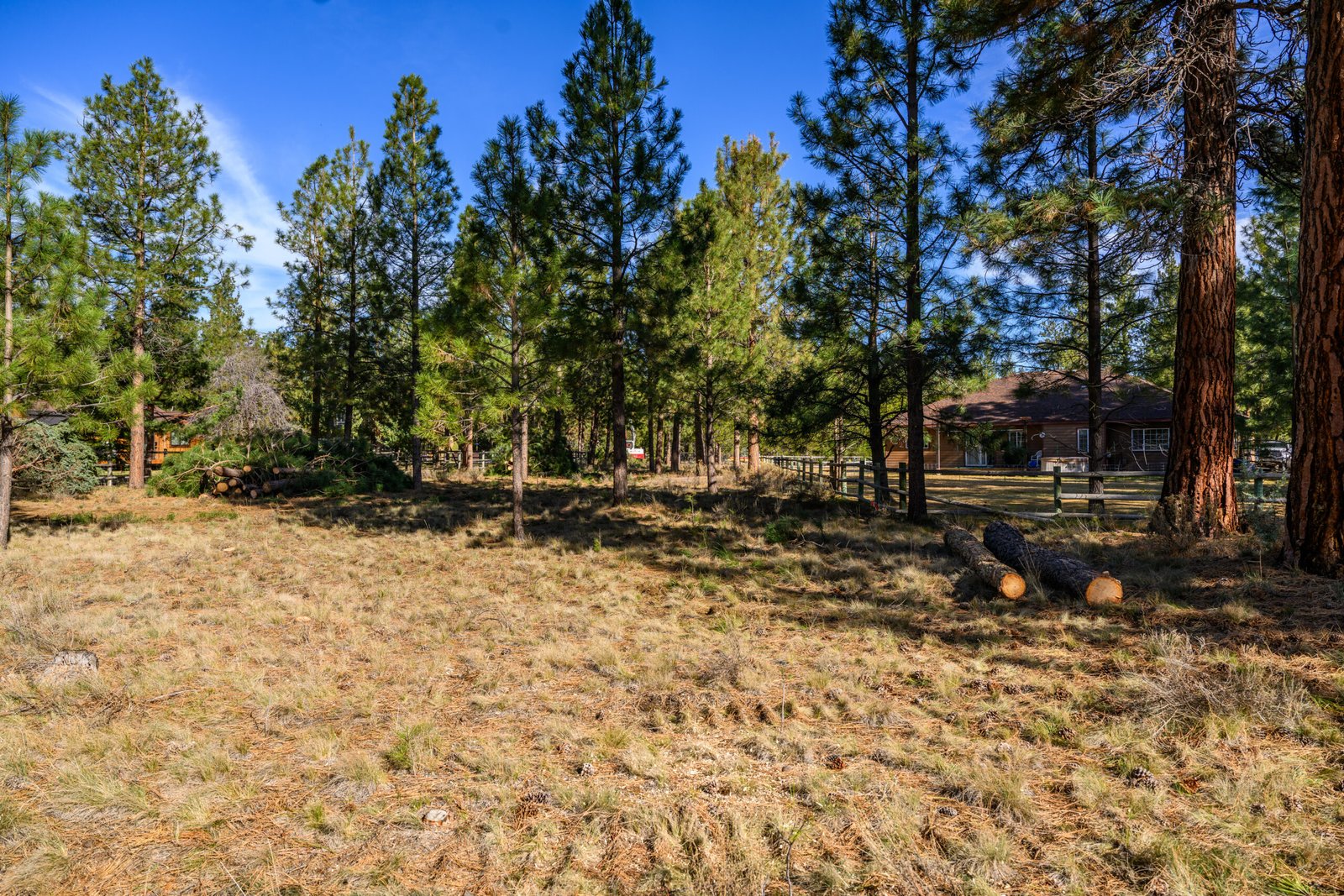

Camp Sherman properties can combine forest vegetation, variable terrain, tight access, and wildfire concerns. Axe Contracting plans equipment and work zones around those conditions instead of treating debris processing as a stand-alone cleanup task.
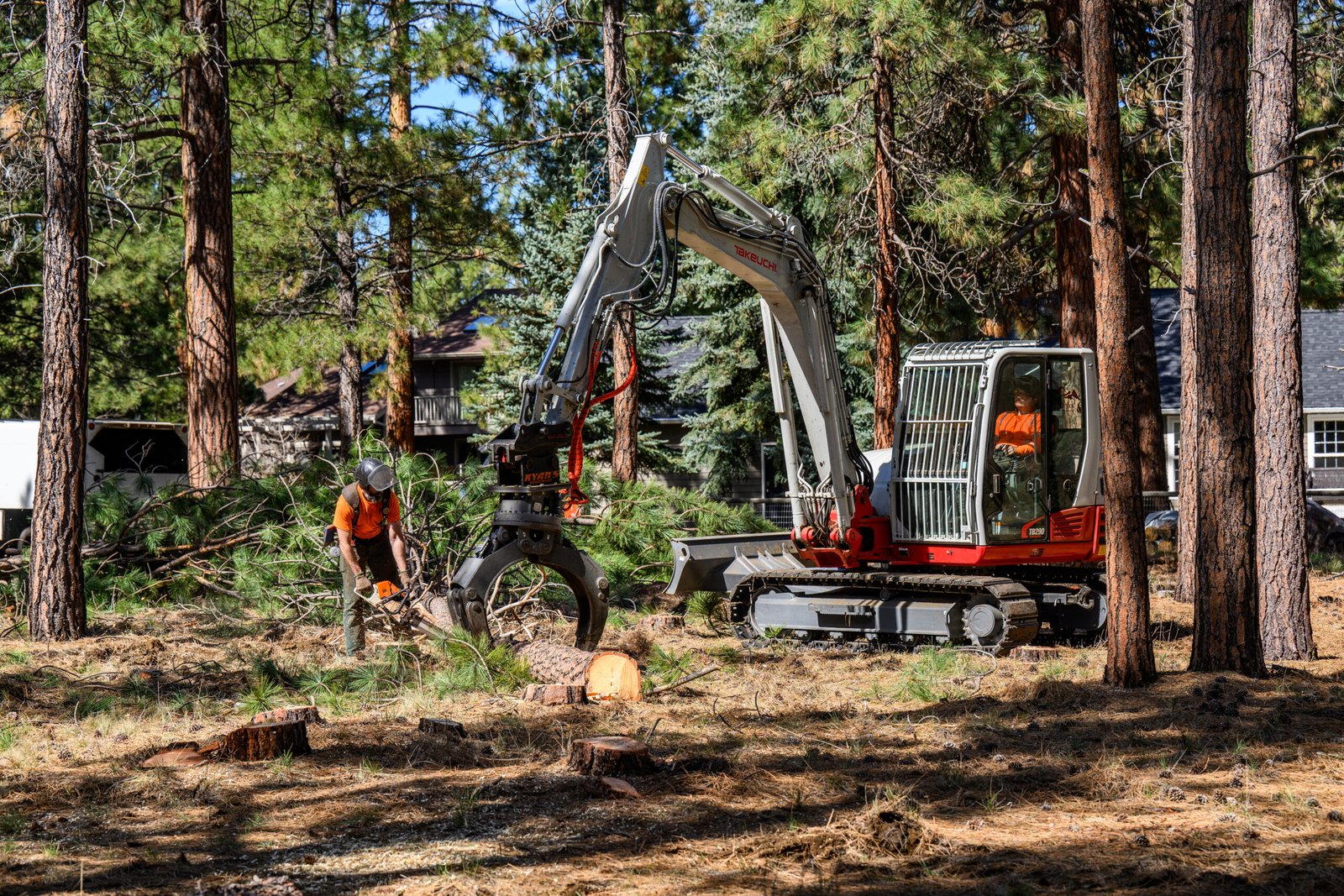
Chipping generally processes staged limbs and woody debris. Mastication uses equipment to grind or shred vegetation across a treatment area.
Often it can, when the site and project goals support that approach. Distribution and depth should be planned rather than assumed.
Not always. Preparation depends on the selected equipment, access, and whether chipping or mastication is planned.
Yes. Debris handling is commonly coordinated with thinning, pruning, tree removal, land clearing, or defensible-space work.
Maintenance needs depend on the approved scope, site conditions, and how vegetation changes over time.
Contact Axe Contracting at (541) 409-5404 or use the verified contact path to discuss the property or vehicle and the next appropriate step.