
A new access route, building area, or property improvement starts with a clear plan for what stays and what goes. Axe Contracting helps Sunriver area property owners scope vegetation removal and site preparation around terrain, access, and the intended use. Share the project goals before work is scheduled.
Clearing a property means more than removing every tree or patch of brush. The right plan identifies the work area, vegetation to retain, equipment access, and how cut material will be handled. Axe Contracting helps Sunriver area owners define a practical scope that supports the next planned step for the site.
Some projects focus on a route through an overgrown lot. Others need a larger area prepared for a future improvement. Site conditions and the intended use determine the approach; grading, utility work, permits, and construction should be confirmed separately before they are assumed to be included.

Land clearing can help a Sunriver area owner establish access, reclaim an overgrown portion of a lot, or prepare a defined area for a future improvement. The first decision is what the site needs to support, followed by which vegetation should be removed or retained.
The completed work should match an agreed clearing area and material-handling plan. Terrain, access, vegetation, and nearby features affect what is practical. Excavation, grading, utility work, permitting, and construction are separate needs that should be confirmed in the scope rather than assumed.

Identify vegetation within the agreed work area and protect trees or features designated to remain. Removal follows the site plan rather than a blanket clearing approach.
Address dense brush where it blocks access or the intended use of the property. The scope should describe boundaries and the treatment of the cleared material.
Plan where removed vegetation will go before work begins. Chipping, staging, hauling, or other handling depends on the site and the approved estimate.
Shape clearing around the next use, whether that is access, a future improvement, or a more manageable area. Follow-on construction work is defined separately.
Consider terrain, entry points, structures, and vegetation to retain when selecting work routes. Site constraints can change the method and timeline.
A clear map or description of the work area helps keep the project focused and makes the final walkthrough more useful.
Before clearing starts, decide which part of the property needs work and what should stay. Discuss trees to retain, access for equipment, cut material, and the planned use of the cleared area. A targeted scope may serve the goal better than treating the entire lot the same way.
For a Sunriver area site, explain any nearby structures, sensitive areas, or future project boundaries during the initial conversation. Those details help the team assess what the clearing work can reasonably include.
Timing and pricing depend on the size of the work area, vegetation density, terrain, equipment access, and debris handling. A small brush area and a larger wooded lot call for different plans. Share the site’s intended use and any known constraints so the estimate can address the right work.
Permits, grading, utilities, and erosion controls may require separate planning based on the property and project. Confirm those requirements before scheduling work that depends on them.

Start by describing the Sunriver area property, access, and the improvement you have in mind. A site review establishes the work boundaries, vegetation to remove or retain, and the plan for cleared material. Once the scope and schedule are agreed, crews complete the defined work and review the result against the original plan.

Some properties also benefit from selective logging, wildfire fuels reduction, defensible-space work, or forestry mulching. These are separate services with their own scope. Discuss the site before assuming any one of them belongs in a land-clearing project.
Explore Axe Contracting’s Sunriver service area and land clearing and site prep pages for related information.
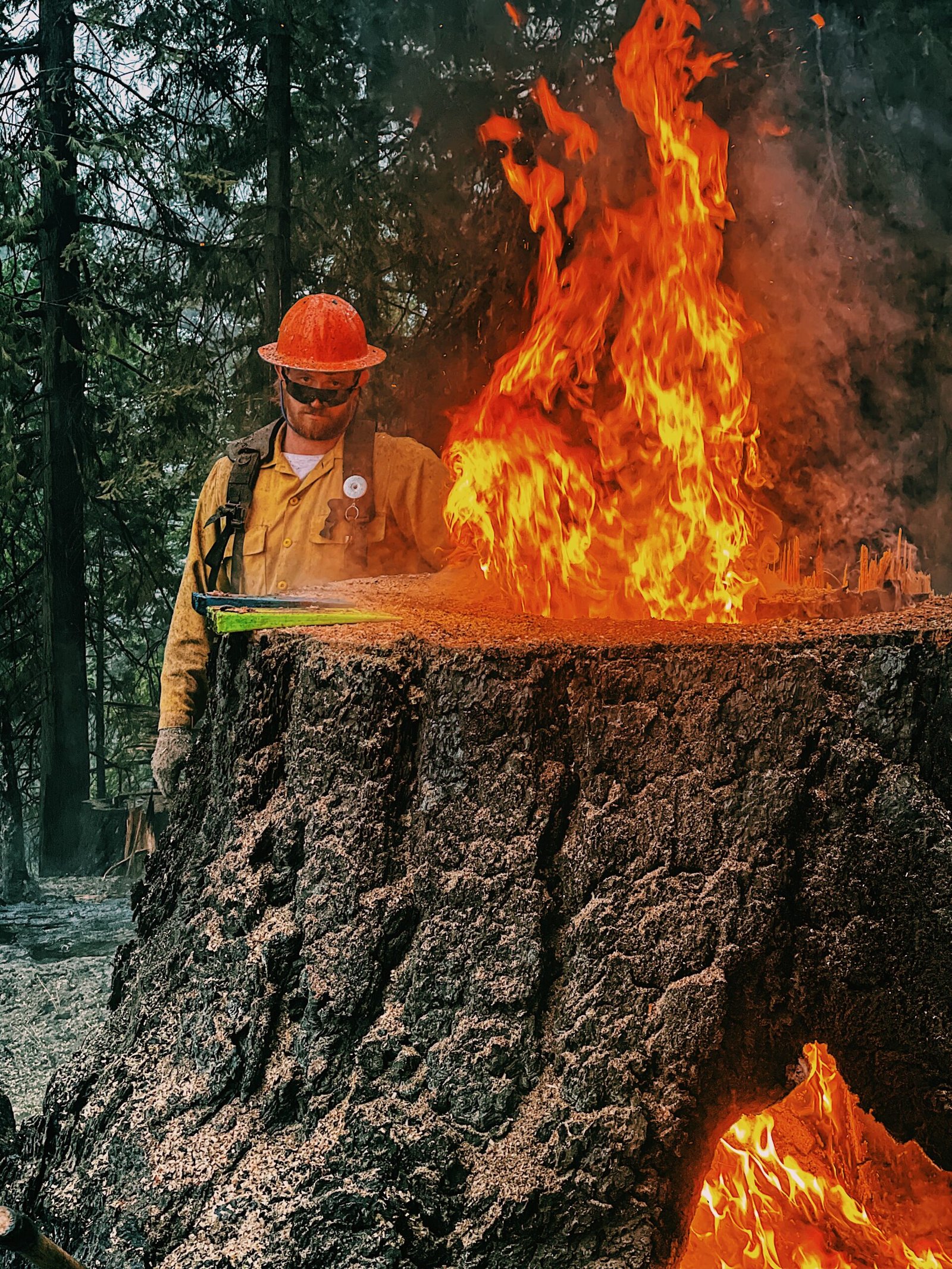
Clearing can improve access, reclaim an overgrown area, or prepare a defined space for a future improvement. The exact vegetation and debris work should follow the intended use and agreed boundaries.
Clearing and grading are different tasks. Confirm whether any excavation, grading, utility work, or erosion control is needed and whether it is included in a separate scope before work begins.
Yes. The site plan can identify trees, vegetation, or areas to retain. Marking those boundaries before equipment arrives helps the finished work match the owner’s goals.
The area size, vegetation density, terrain, access, debris plan, and other site constraints all affect timing. A site review and agreed scope are needed before a dependable schedule can be set.
Share the property location, desired use, approximate work area, access conditions, and any vegetation or features that should remain. Axe Contracting can use that information to plan the next site conversation.