
Dense brush, lower branches, and crowded trees can make a property harder to manage during fire season. Axe Contracting helps Sunriver area owners plan vegetation work around access, structures, and the conditions on their land. The right treatment begins with a site conversation and a defined scope.
Fuels reduction addresses selected vegetation conditions; it cannot eliminate wildfire risk or guarantee protection. Discuss priority areas and material handling before scheduling work.
Wildfire fuels reduction may involve thinning crowded growth, addressing lower branches and brush, or managing accumulated woody material. The appropriate combination depends on vegetation, terrain, access, structures, and how the property is used.
On a Sunriver area site, Axe Contracting evaluates those conditions before recommending work. The plan should state which areas are priorities, what will remain, and how removed material will be handled.
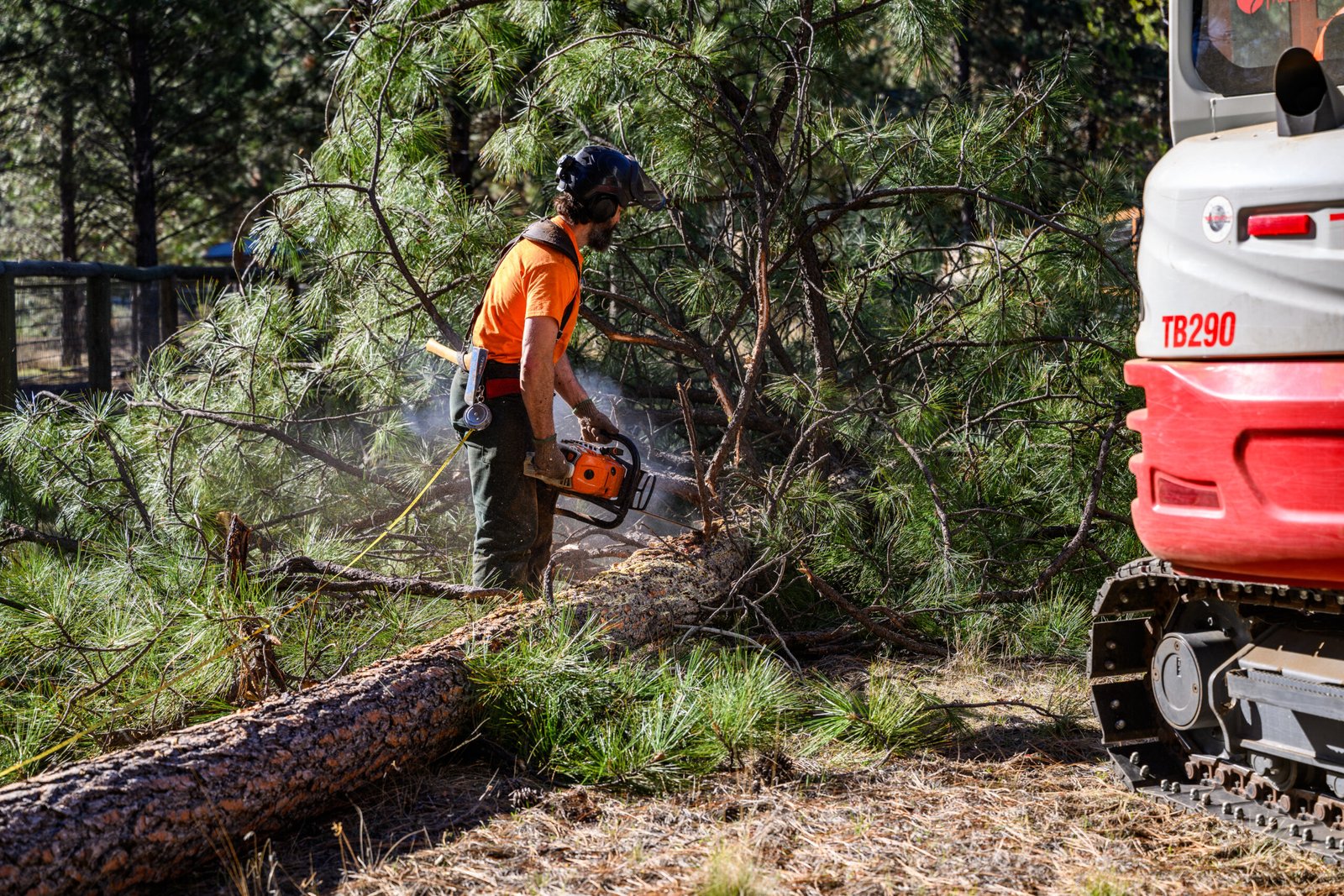
This service can help property owners who are concerned about thick understory growth, connected vegetation near buildings, crowded trees, or material that has accumulated on the ground. The work may focus on areas near a structure or on a larger defined portion of the property.
Treating selected fuels can change vegetation spacing and reduce some pathways for fire to move through a stand. It does not make a property fireproof or ensure a building will survive a wildfire. Site conditions, weather, other hazards, and ongoing maintenance affect risk beyond the treatment area.
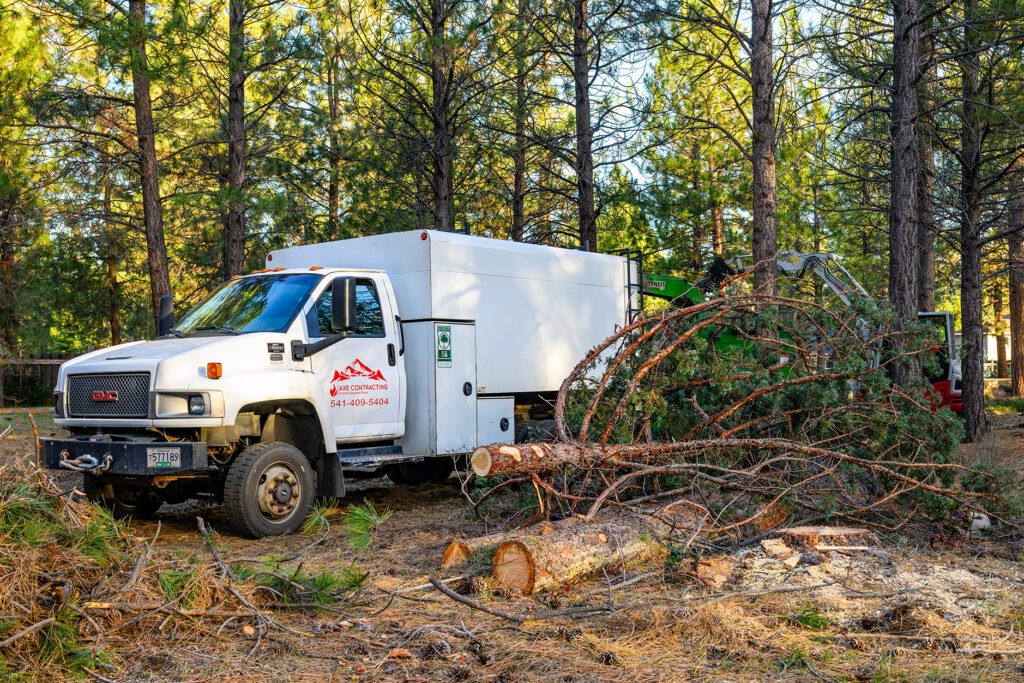
Review vegetation, structures, access routes, and the areas that matter most to the owner before recommending a treatment.
Consider spacing and tree condition where crowded growth contributes to the site’s fuel pattern. Trees to retain are part of the plan.
Address brush and lower growth that can connect ground vegetation with taller shrubs or tree canopies in priority areas.
Plan work around buildings and access points while keeping the broader property context in view. Treatment depends on the agreed scope.
Decide how branches, brush, and woody debris will be staged, chipped, or otherwise handled before field work begins.
Compare the completed areas with the written scope and discuss future vegetation growth and maintenance needs.
Tell Axe Contracting which Sunriver area property concerns you: dense brush, vegetation near a building, crowded trees, or material along an access route. A site conversation can identify the first areas to evaluate and how the work might fit a broader property plan.
A fuels project can focus on one priority area or cover several defined zones. Decide what vegetation should stay, where crews and equipment can safely work, and what will happen to cut material. The treatment should be based on the site rather than a uniform clearing pattern.
Area size, vegetation density, terrain, access, equipment, and debris handling affect the schedule and estimate. Share property boundaries, utilities, structures, and any sensitive areas before the scope is finalized.
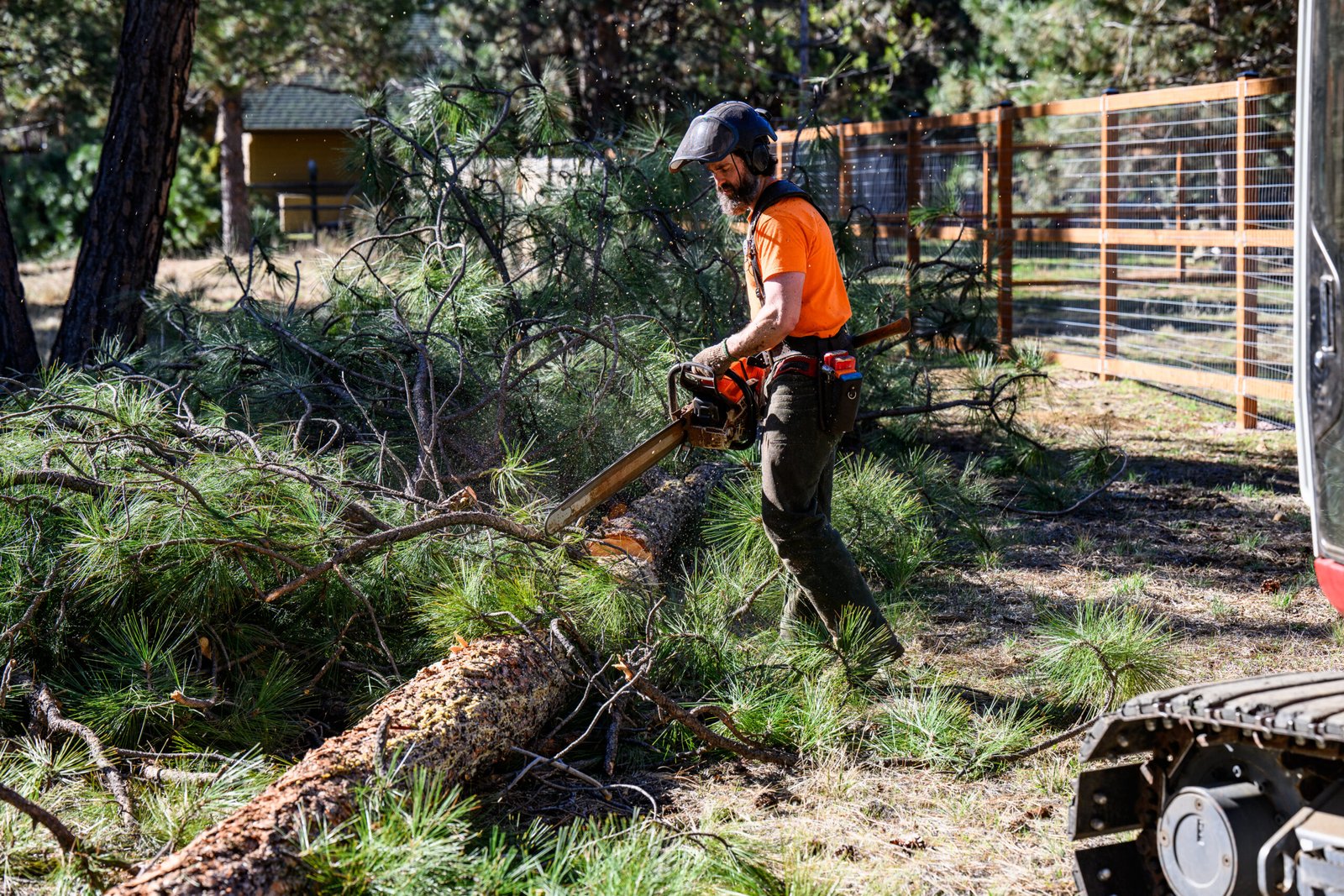
Begin with the property’s vegetation, access, structures, and the owner’s priorities. Axe Contracting reviews the site, identifies treatment areas, and outlines how selected growth and cut material will be handled. After the scope and schedule are agreed, crews complete the work and review the treated areas. Future growth should be considered in the maintenance plan.
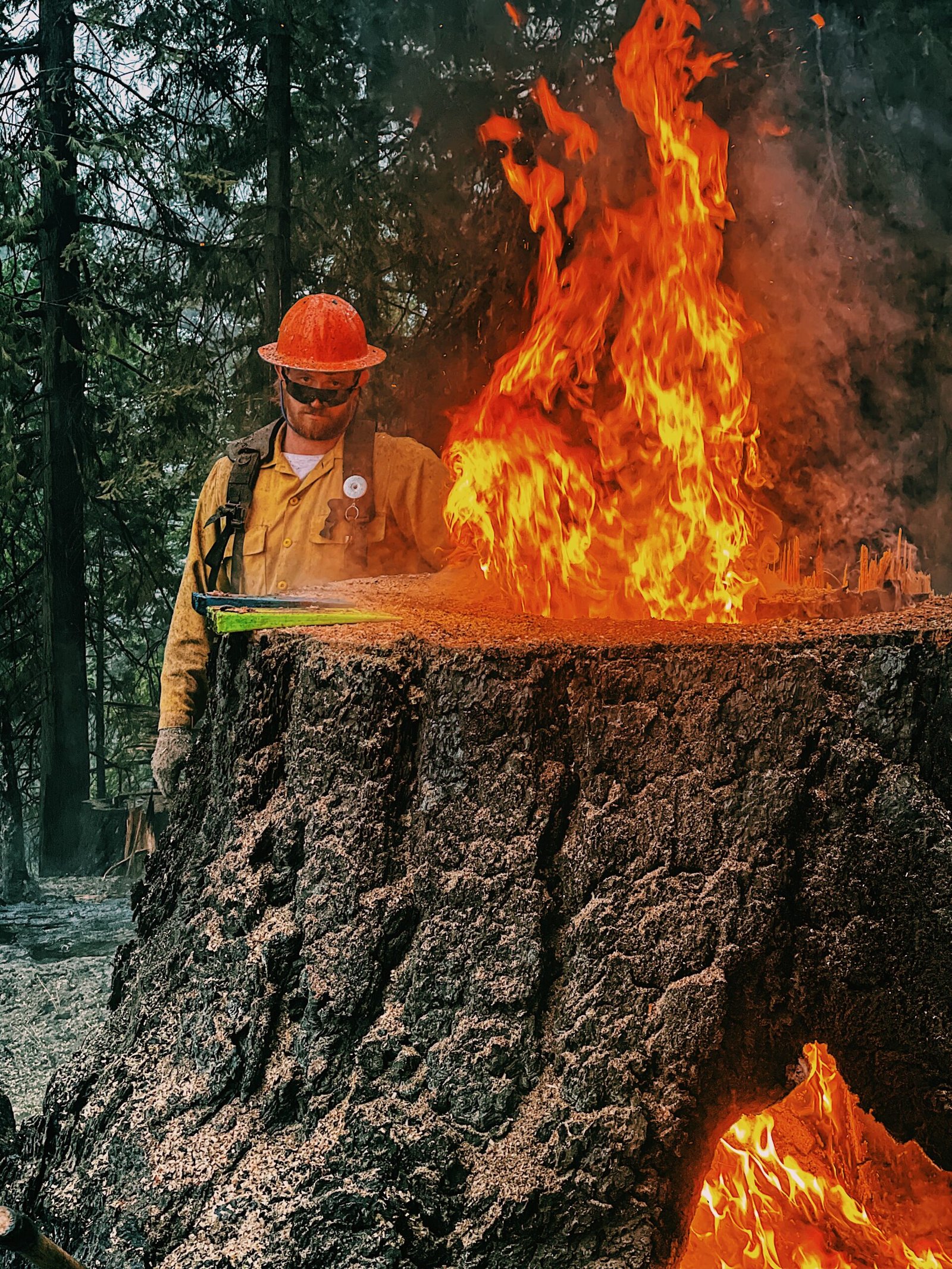
Vegetation work near a structure may connect with defensible-space services. Other properties may need selective logging, land clearing, or forestry mulching as separate scopes. A site conversation helps determine which approach fits.
Axe Contracting serves Sunriver area properties. Availability and the proposed treatment depend on location, access, project scope, and scheduling; this page does not imply a physical office in Sunriver.
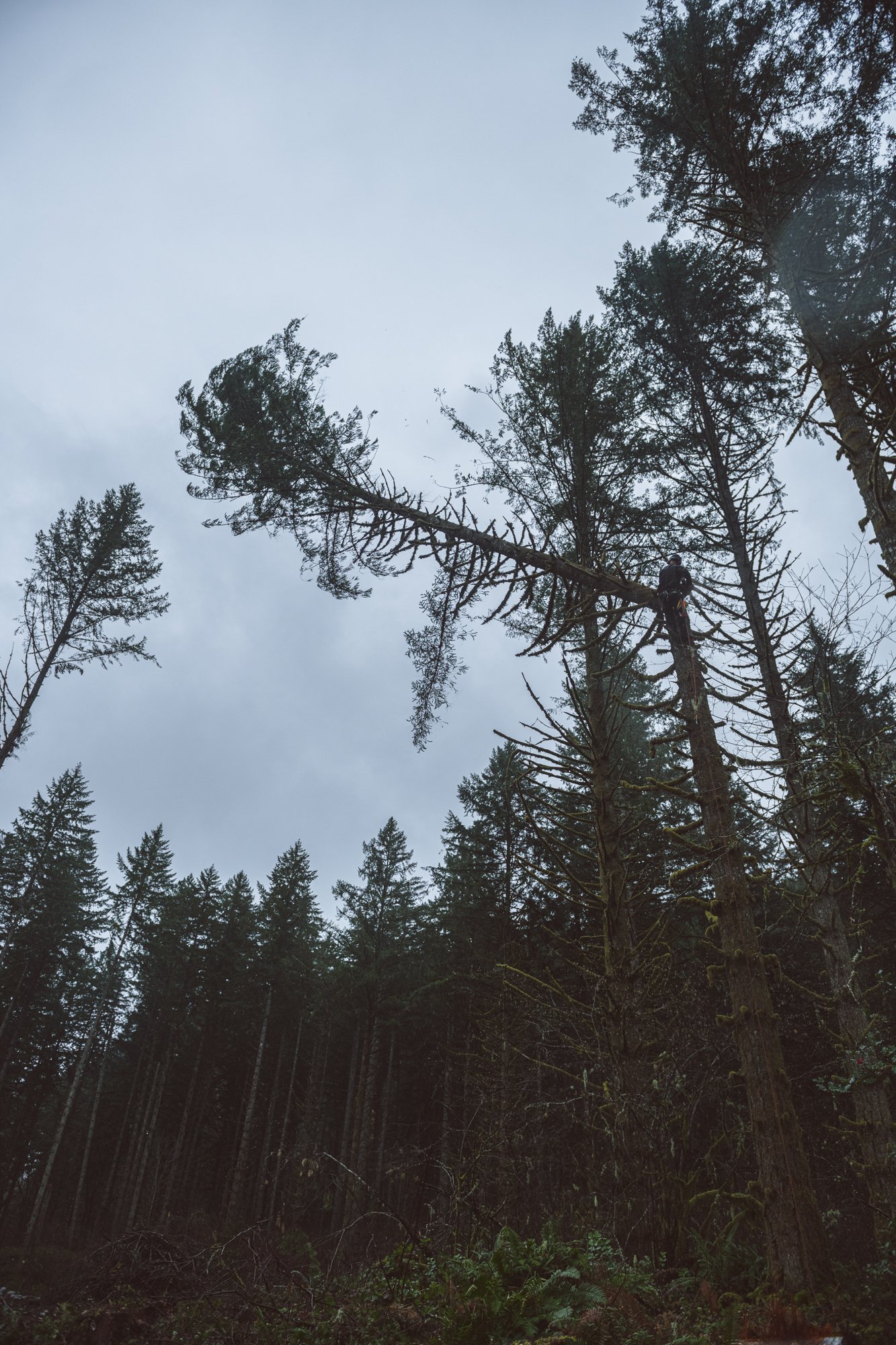
Ladder fuels are shrubs, lower branches, and other vegetation that can carry fire from near the ground toward taller growth. The right treatment depends on what is present at the site.
No. A fuels plan often retains selected trees and vegetation while addressing density, spacing, or connected growth in priority areas. Clearing everything is a different approach.
No. Vegetation work can reduce some fuel conditions, but it cannot remove every hazard or guarantee a structure will survive a wildfire. It should be one part of broader preparedness.
New growth and fallen material change conditions over time. Revisit treated areas periodically and plan maintenance based on the property’s vegetation and use.
Yes. Axe Contracting serves Sunriver-area properties. Share your location, vegetation concerns, access, and goals so the team can assess the site and discuss a fuels-reduction scope and scheduling.
Have a Sunriver area property with dense growth or vegetation near important structures? Describe the conditions and goals to Axe Contracting, then discuss a site review and a practical fuels-reduction scope.