
Create a habitat plan that supports wildlife while respecting access, wildfire concerns, existing vegetation, and the way you use your Camp Sherman property.
A useful habitat zone starts with the conditions already present on the land. Axe Contracting reviews vegetation, cover, water, travel corridors, soil, access, and competing land-management goals before recommending changes. The objective is not to force a generic garden plan onto a forested property, but to strengthen food, shelter, and movement opportunities that fit the site.
Learn more about wildlife habitat zone creation.

Thoughtful plant and shelter choices can improve the resources available to birds and other wildlife.
Selective work can preserve useful cover while addressing access, accumulated material, and wildfire-related concerns.
A site-specific plan helps owners understand which areas need protection, monitoring, or periodic maintenance.

Review existing vegetation, water, terrain, access, and current wildlife use.
Identify the species or ecological functions the owner wants to support.
Consider native trees, shrubs, and groundcover that match site conditions.
Evaluate opportunities for cover, resting areas, and nesting habitat.
Discuss existing water sources and practical conservation-minded options.
Outline how the habitat zone can be monitored without disrupting its purpose.
If you are considering defensible space, wildfire mitigation, or vegetation management in Camp Sherman, contact Axe Contracting. Call, text, or request a 15-minute conversation to describe the property, ask questions, and discuss an appropriate next step.
Important decisions include which species or habitat functions to prioritize, how much vegetation to retain, whether fuels reduction is also needed, and how the area will be maintained. No specific wildlife outcome is guaranteed; habitat changes take time and depend on conditions beyond the contractor’s control.
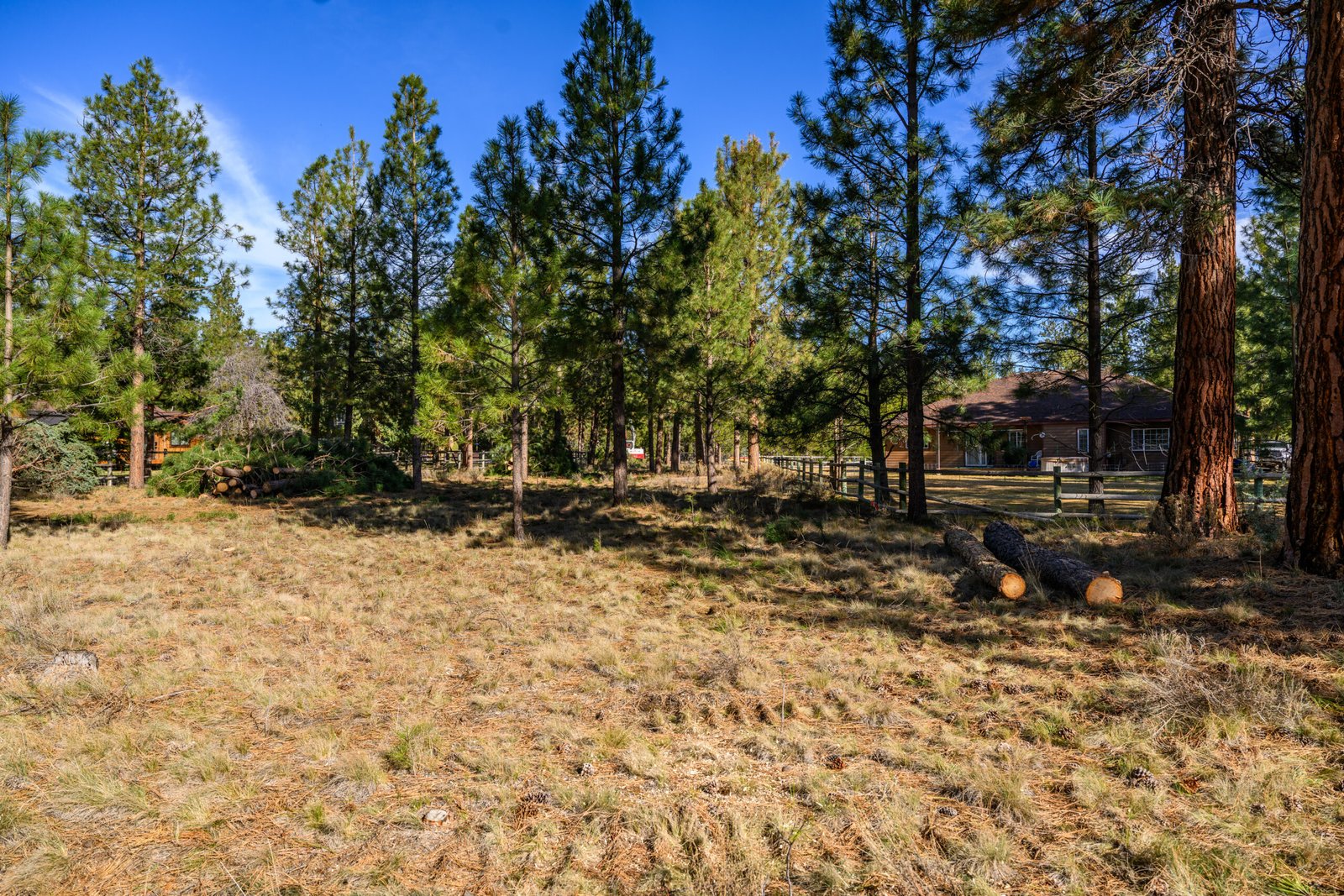

Axe Contracting combines forestry and arborist experience, which helps the team consider habitat goals alongside tree health, fuels, equipment access, and surrounding property use. Recommendations are explained during a site walk so owners can choose a realistic scope.
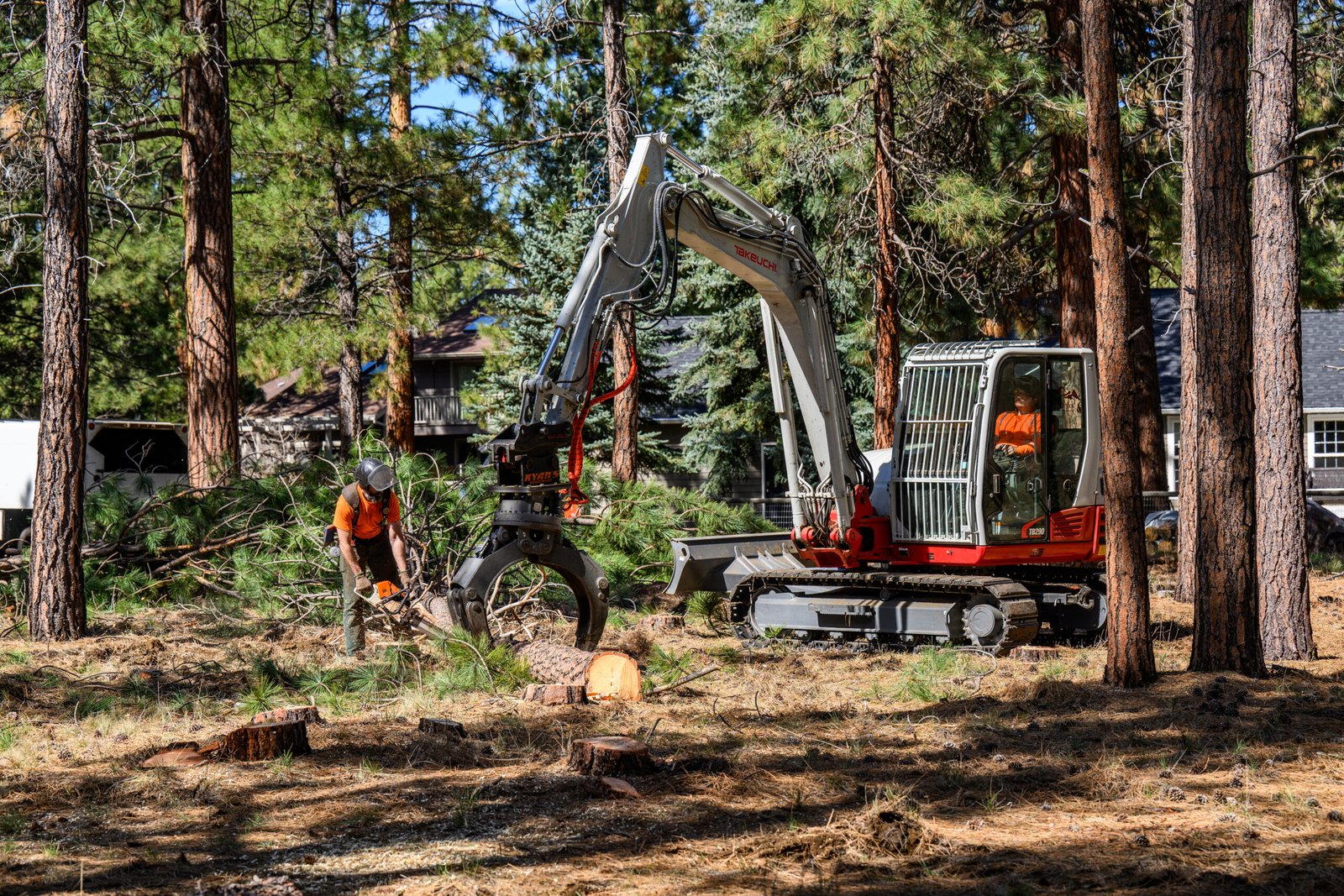
Defensible space is a deliberately managed area around a structure where vegetation and other potential fuels are reduced or arranged strategically.
No. It can support wildfire mitigation, but it cannot eliminate risk or guarantee a particular outcome.
The appropriate scope depends on vegetation, terrain, structures, access, and property goals. A site-specific review is more useful than applying the same prescription everywhere.
Not necessarily. Defensible space can involve selective clearing, spacing, pruning, and vegetation management based on the agreed scope.
Usually, vegetation changes and regrows. Periodic review and maintenance can help preserve the intended condition.
Contact Axe Contracting at (541) 409-5404 or use the verified contact path to discuss the property or vehicle and the next appropriate step.